


Pharmaceutical Contaminants in Drinking Water: Sources, Treatment Challenges, and Environmental Impacts

Updated: Jul 8
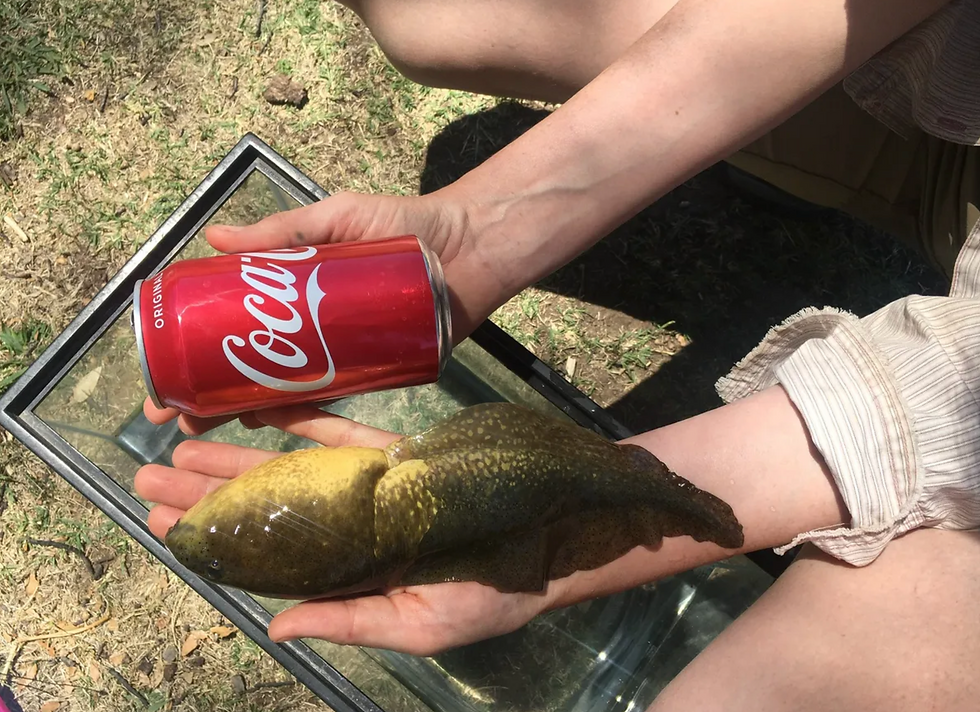
Pharmaceutical active ingredients (APIs) and their metabolites enter aquatic environments primarily through human excretion and wastewater discharges. Conventional water and wastewater treatment processes often fail to fully remove these trace contaminants, leading to their detection in surface waters, groundwater, and finished drinking water. This article examines the pathways of pharmaceutical pollution, the limitations of current treatment technologies for small-molecule compounds, and documented ecological effects, with particular attention to amphibian development. Drawing on peer-reviewed studies and monitoring data, it highlights ongoing controversies surrounding the pharmaceutical industry’s contribution to environmental contamination while noting the generally low human exposure levels via drinking water.
Pharmaceutical Contaminants in Drinking Water: Sources, Treatment Challenges, and Environmental Impacts
Introduction
The widespread use of pharmaceuticals has resulted in their ubiquitous presence as emerging contaminants in water systems. Excreted residues, improper disposal, manufacturing effluents, and agricultural runoff introduce these compounds into sewage, which, after treatment, often re-enters the hydrological cycle. In many regions, treated wastewater is discharged into rivers or aquifers that serve as sources for downstream drinking water supplies, creating a form of indirect potable water recycling.
While concentrations in drinking water are typically far below therapeutic doses, concerns persist regarding chronic low-level exposure, mixture effects, and ecological risks. This review synthesizes evidence on contamination pathways, treatment efficacy, and environmental impacts.
Pathways of Entry and Water Recycling
Pharmaceuticals reach wastewater primarily via human and animal excretion. Following ingestion, 30–90% of many oral doses may be excreted as active substances or metabolites in urine and feces. Flushing of unused medications and hospital discharges further contribute.
In urban water cycles, wastewater undergoes treatment before discharge. This effluent mixes with surface waters, which are subsequently withdrawn, treated, and distributed as drinking water for downstream communities. Groundwater used for potable supply can also be affected through recharge with contaminated surface water. Studies, including large-scale USGS assessments, confirm the presence of compounds such as carbamazepine, sulfamethoxazole, and meprobamate in U.S. groundwater sources.
Treatment Processes and Removal Challenges
Conventional wastewater treatment plants (WWTPs) employ primary sedimentation, secondary biological treatment, and, in some cases, tertiary processes. These systems effectively remove bulk organic matter but exhibit variable and often limited efficacy against pharmaceuticals. Removal rates range from near-complete for some compounds (e.g., naproxen) to negligible or negative for persistent ones (e.g., carbamazepine, diclofenac), the latter sometimes resulting from metabolite deconjugation.
Drinking water treatment similarly relies on coagulation, filtration, and disinfection, achieving approximately 50% average reduction for many pharmaceuticals. Trace levels (ng/L) frequently persist.
Molecular challenges:
Many APIs are small, polar, and stable molecules designed for biological activity and persistence. These properties hinder biodegradation, adsorption to sludge, or removal by standard filtration. Advanced technologies, granular activated carbon (GAC), ozonation, nanofiltration, and reverse osmosis can achieve >90–99% removal for targeted compounds but are not universally deployed due to cost.
Concentrations in raw urine are typically 100–1,000 times higher than in treated effluents or surface waters, underscoring the dilution and partial removal that occur throughout the cycle.
Pharma Contaminants in Drinking Water: Challenges, and Environmental Impacts On Aquatic Ecosystems
Pharmaceuticals pose risks to non-target organisms through continuous exposure in receiving waters. Antibiotics contrib
Amphibian effects: Anuran metamorphosis is strictly thyroid hormone (TH)-dependent, making tadpoles sensitive bioindicators. Contaminants can disrupt TH synthesis, transport, or action, leading to delayed or arrested development, deformities, altered sex ratios, and reduced survival. Studies document ovarian development in genetic males and impaired fertility following exposure to certain pesticides and EDCs with pharmaceutical-like activity.
Broader wildlife impacts include feminization in fish, behavioral changes, and oxidative stress differentials across life stages. A global river monitoring effort detected API levels exceeding ecological safety thresholds at over a quarter of sites.
Industry Controversies and Implications
The pharmaceutical sector faces scrutiny over manufacturing discharges, which create high-concentration hotspots, and the downstream consequences of widespread product use without commensurate investment in advanced wastewater treatment. Regulatory frameworks often lack specific limits for APIs in effluents or drinking water, though agencies like the EPA and WHO monitor and assess risks.
Human health risks at detected drinking water concentrations are considered low, but data gaps remain for long-term mixture toxicity and vulnerable populations. Mitigation strategies include proper medication disposal, source control, and expanded use of advanced treatment.
How To Remove Pharmaceutical Contamination From Water?
Water Filtration (SMALL) |
5-Stager Reverse Osmosis (Point of use system) *Larger System Recommended Upstream |
Conclusion
References (Inline citations link to primary sources including USGS reports, PNAS global studies, PMC reviews, and peer-reviewed journals on treatment efficacy and amphibian toxicology.)



Comments